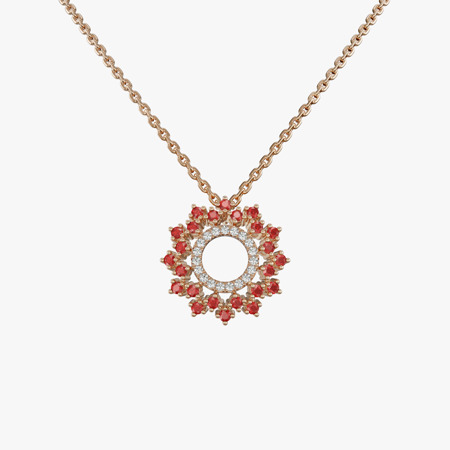
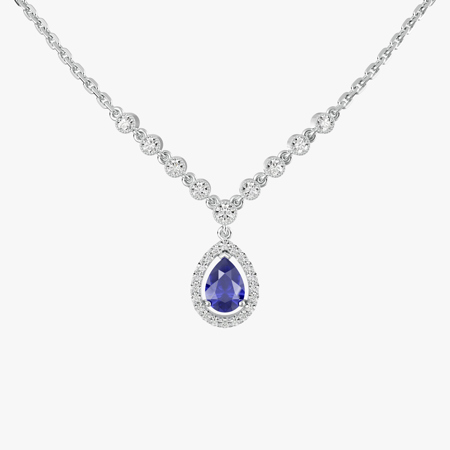
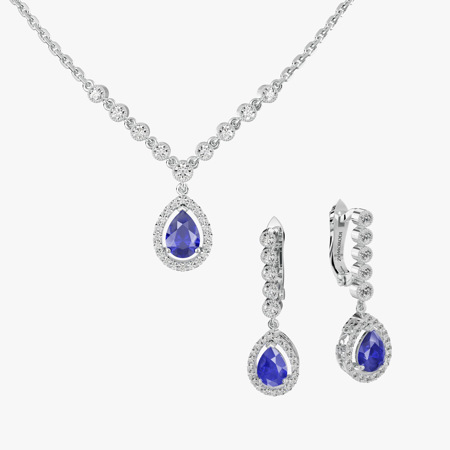
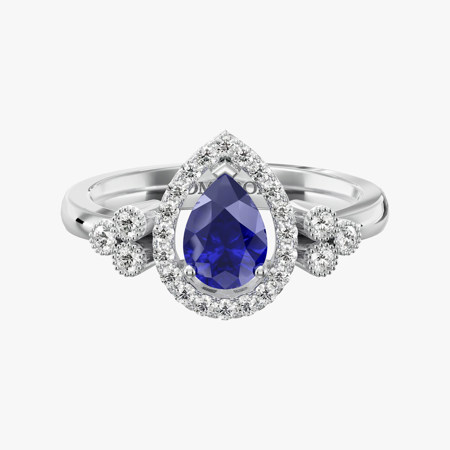
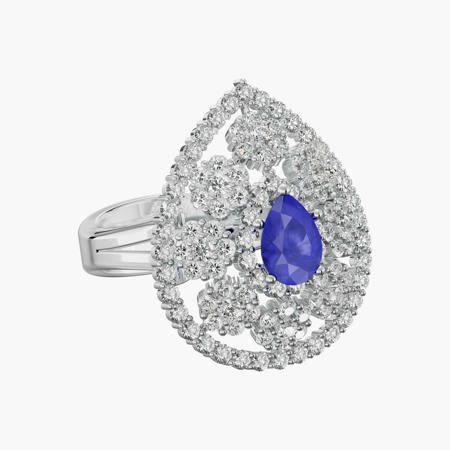
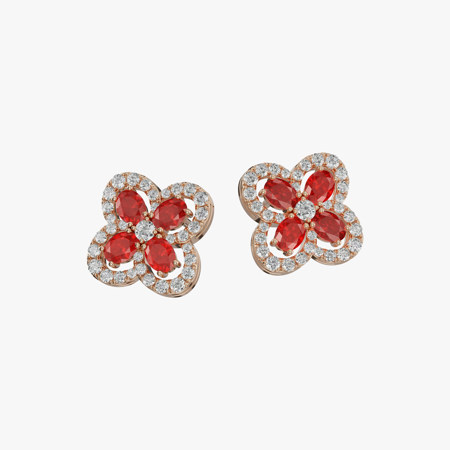
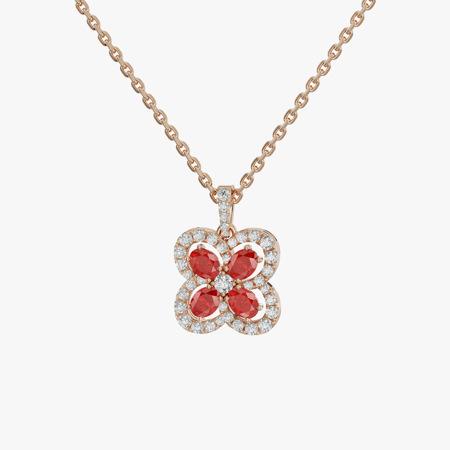
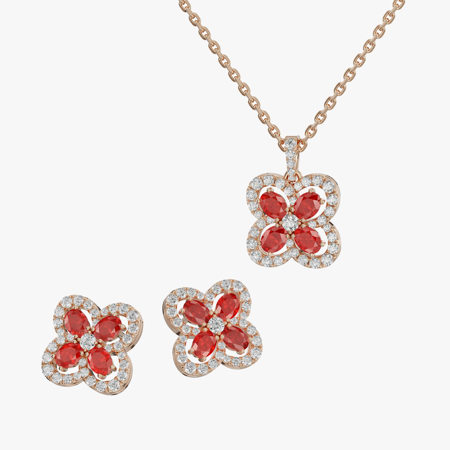
Golsa Ruby Jewelry Pendant
2,643.58 CAD


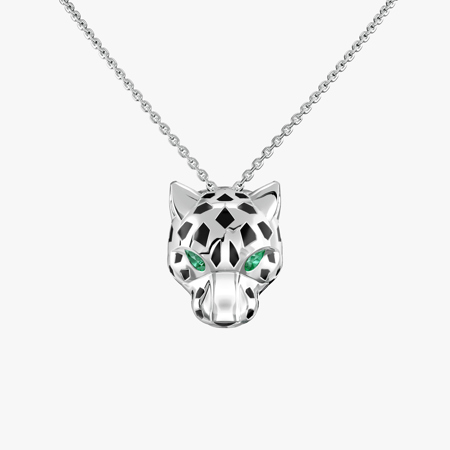
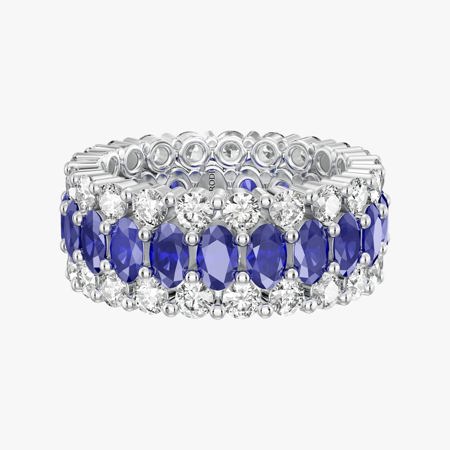
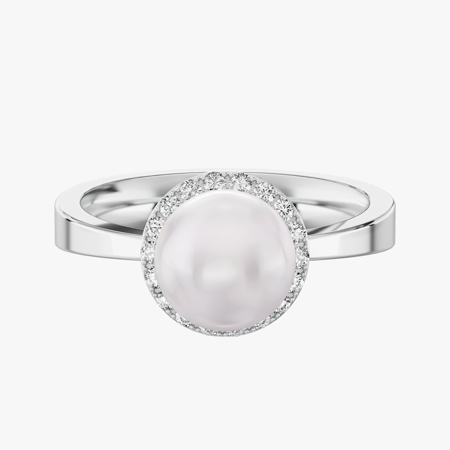
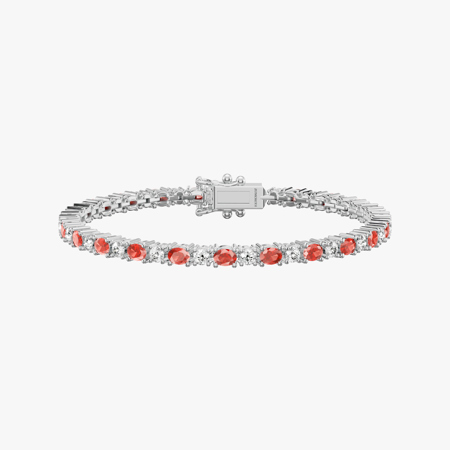
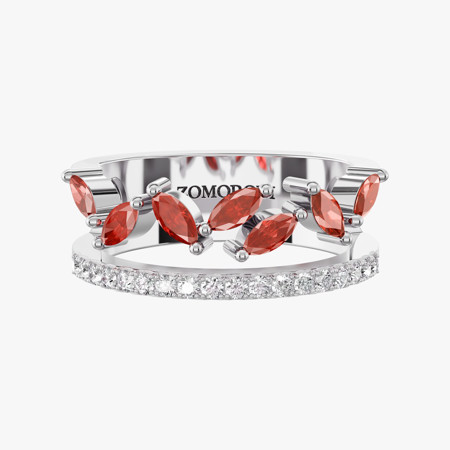
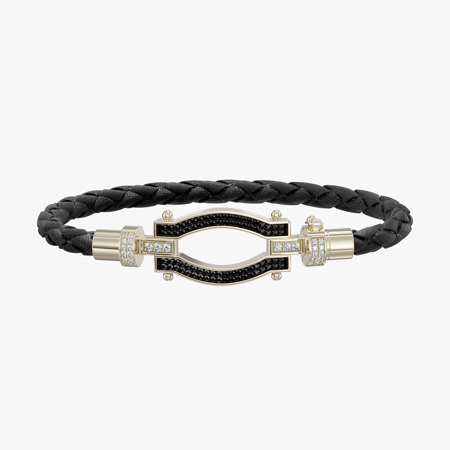
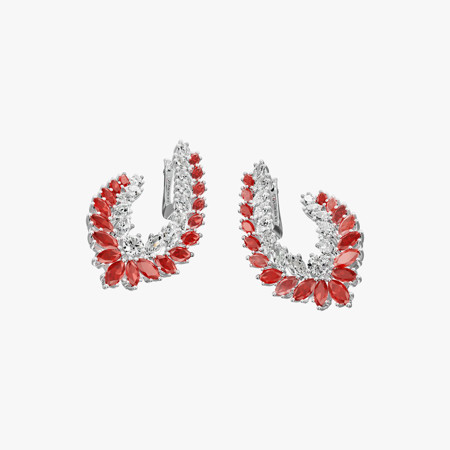
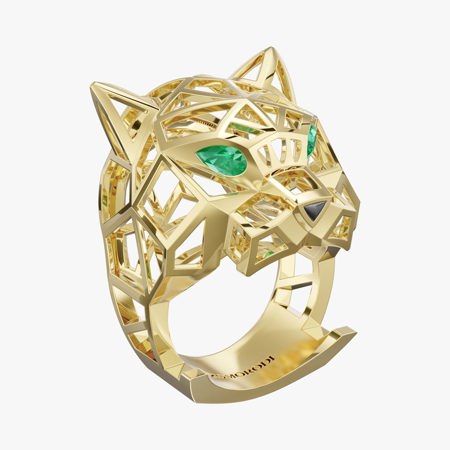
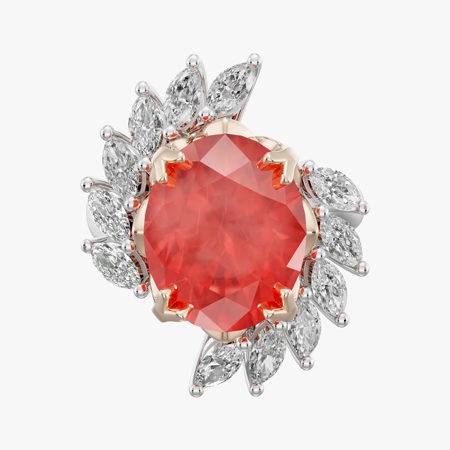
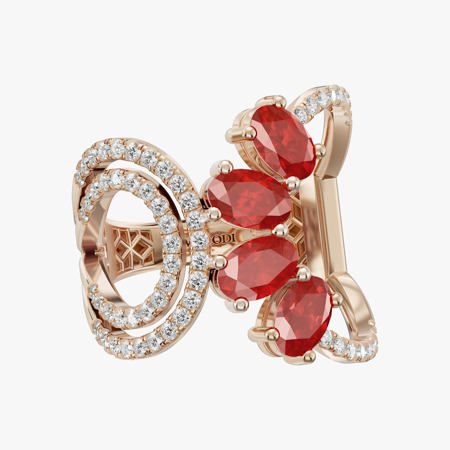
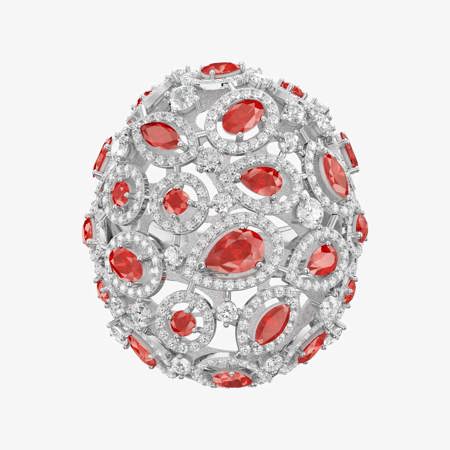
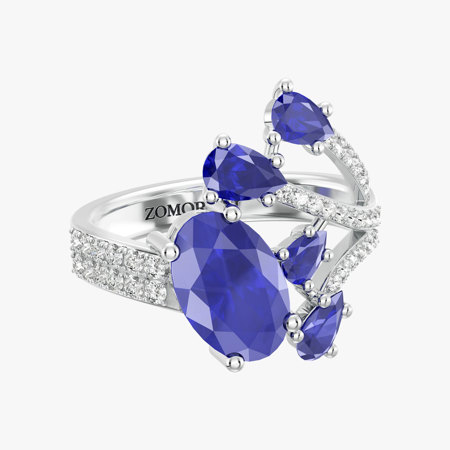
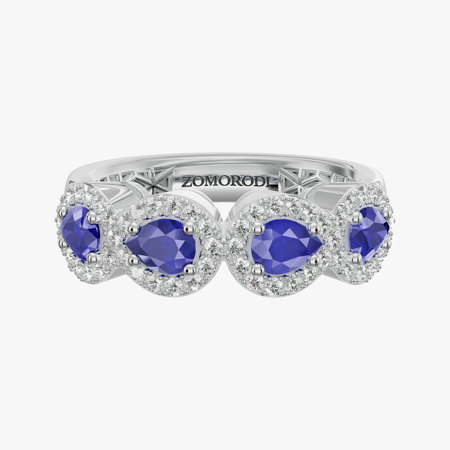
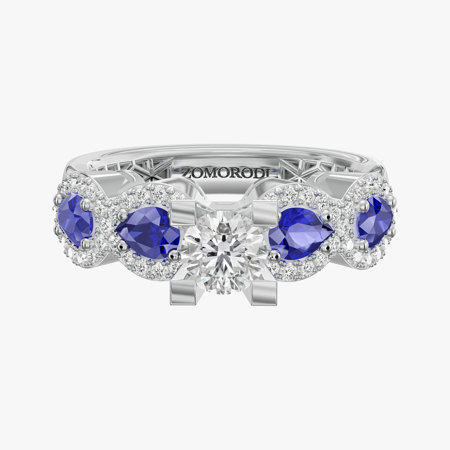
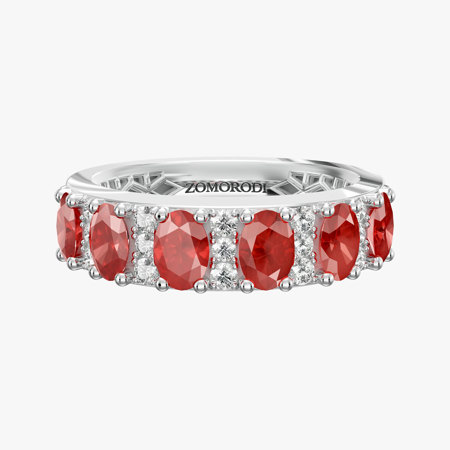
Colored Gemstones Jewelry
They come in every color because of trace elements deep in the earth: chromium for red (ruby), vanadium for green (emerald), copper for blue (Paraiba tourmaline).
Some even change color in different light - like alexandrite, which shifts from green to red.
They are not just about looks - many have long histories. Amethyst was once as rare as diamond. Opal was believed to hold the colors of all gems. And citrine was worn as protection in ancient times.
Styling-wise, they are perfect for adding a pop of meaning - a birthstone, a favorite color, or a quiet symbol of something personal.
Historically, diamond, emerald, sapphire, and ruby were commonly described as precious gemstones, while many other valuable minerals were called semi-precious. Rarity, availability, clarity, color distribution, transparency, and market demand all affect a gemstone’s value. Modern gemology recognizes that some stones traditionally called semi-precious can be rarer and more valuable than lower-quality stones in the precious category.
Not necessarily. Rare examples of spinel, fine garnet, and high-quality tourmaline can command very high prices. Before buying colored gemstone jewelry, learn how rarity, quality, and origin influence value.
Your taste, personal style, and budget come first. Natural gemstones are evaluated using factors such as clarity, cut, color, and carat weight. Because colored gemstones cover a much wider range of hues and characteristics than colorless diamonds, professional evaluation can be especially helpful.
Natural inclusions can help confirm a gemstone’s natural origin, but fewer distracting inclusions usually improve its visual appeal and, depending on the gem, may increase its value.